TROPICAL SUCCULENTS - Bringing a touch of paradise to your home
Succulents have been all the rage in recent years, with their easy-care and low maintenance qualities making them an ideal addition to any home. However, if you're looking for something a little different, why not consider tropical succulents? These unique plants are native to warmer climates and offer a touch of paradise to your indoor or outdoor space. In this blog post, we'll explore everything you need to know about these fascinating plants, from their origins to their care requirements.
Tropical succulents are a type of plant that has adapted to survive in hot and dry environments. Unlike traditional succulents, which come from arid regions, tropical succulents thrive in humid conditions and feature lush foliage in a variety of vibrant colors. These plants are known for their striking appearance and their ability to add a touch of exotic flair to any space. Whether you're looking to create a tropical oasis in your backyard or add some greenery to your office, there's a tropical succulent out there that's perfect for you.
Origins of Tropical Succulents
Tropical succulents can be found throughout the world, but they are most commonly associated with regions such as Central America, South America, Africa, and Asia. These plants are often found growing in rocky areas, on cliffs or in coastal habitats. They are known for their ability to store water in their leaves, which allows them to survive in dry and arid conditions. Some popular types of tropical succulents include the Echeveria, Kalanchoe, and Aloe Vera.
Types of Tropical Succulents
There are many different types of tropical succulents available, each with its own unique appearance and care requirements. Some of the most popular types include:
- Echeveria: This is a popular type of tropical succulent that features rosette-shaped leaves in various shades of green, blue, and pink. These plants are ideal for indoor use and can be grown in pots or containers.
- Kalanchoe: This type of succulent is known for its bright and colorful flowers, which can range from pink to orange to yellow. They are easy to care for and can be grown indoors or outdoors.
- Aloe Vera: Aloe Vera is a well-known type of succulent that has been used for its medicinal properties for thousands of years. These plants feature thick and fleshy leaves that store water, making them ideal for dry and arid environments.
How to Care for Tropical Succulents
Tropical succulents are relatively easy to care for, but they do require some specific conditions in order to thrive. Here are some tips for caring for your tropical succulent:
- Light: Most tropical succulents prefer bright but indirect sunlight. Be sure to place your plant in an area where it will receive plenty of light, but not direct sun.
- Watering: Water your tropical succulent sparingly, allowing the soil to dry out between waterings. Be careful not to overwater, as this can cause root rot.
- Soil: Use a well-draining soil mix when planting your tropical succulent. This will help prevent water from pooling around the roots and causing damage.
- Temperature: Tropical succulents prefer temperatures between 60-80 degrees Fahrenheit. Avoid placing your plant in an area with extreme temperature fluctuations.
Common Issues with Tropical Succulents
Like any plant, tropical succulents can experience issues if their care requirements are not met. Here are some common issues and how to address them:
- Overwatering: Overwatering can cause root rot and other issues. If you notice your plant's leaves turning yellow or mushy, cut back on watering and make sure the soil is well-draining.
- Pests: Common pests that can affect tropical succulents include mealybugs and spider mites. Use a mild soap solution to remove pests, or consider using an insecticide if the infestation is severe.
- Sunburn: Direct sunlight can cause sunburn on your plant's leaves. If you notice brown spots or discoloration on your plant's leaves, move it to a shadier location.
Decorating with Tropical Succulents
Tropical succulents are a great way to add some color and texture to your home decor. Here are some ideas for decorating with these unique plants:
- Terrariums: Create a miniature tropical paradise by planting a variety of tropical succulents in a terrarium.
- Hanging Planters: Hang your tropical succulent from the ceiling using a macrame hanger for a bohemian vibe.
- Tabletop Displays: Arrange several small tropical succulents on a tabletop or bookshelf for a pop of color.
Tropical succulents are a unique and fascinating addition to any indoor or outdoor space. With their lush foliage and vibrant colors, they offer a touch of paradise to your home decor. By following the tips outlined in this blog post, you can ensure that your tropical succulent thrives and remains healthy.
Frequently Asked Questions
1. How often should I water my tropical succulent?
Tropical succulents should be watered sparingly, allowing the soil to dry out between waterings. In general, you should water your plant every two to three weeks, depending on the humidity and temperature in your home.
2. Can tropical succulents be grown outdoors?
Yes, many types of tropical succulents can be grown outdoors in warm and humid climates. Be sure to choose a location that receives bright but indirect sunlight.
3. What kind of soil should I use for my tropical succulent?
Use a well-draining soil mix when planting your tropical succulent. This will help prevent water from pooling around the roots and causing damage.
4. How do I propagate my tropical succulent?
Tropical succulents can be propagated by taking stem or leaf cuttings and allowing them to root in a well-draining soil mix.
5. Do tropical succulents require fertilization?
Tropical succulents do not require frequent fertilization, but you may choose to fertilize them once or twice a year with a balanced fertilizer.
6. What kind of pests can affect my tropical succulent?
Common pests that can affect tropical succulents include mealybugs and spider mites. Use a mild soap solution to remove pests, or consider using an insecticide if the infestation is severe.
7. Can I grow multiple types of tropical succulents together?
Yes, you can mix and match different types of tropical succulents in the same container or terrarium.
8. How do I know if my tropical succulent is getting too much sun?
If your plant's leaves begin to turn brown or develop spots, it may be getting too much direct sunlight. Move it to a shadier location to prevent further damage.
9. Are tropical succulents safe for pets?
Most tropical succulents are non-toxic to pets, but it's always a good idea to double-check before bringing any new plant into your home.
10. Where can I buy tropical succulents?
You can find tropical succulents at most garden centers or nurseries. You can also order them online from a variety of retailers.
15 Tropical succulents Images

Cleistocactus Tupizensis 3 Live Cactus In 8 Pot Tallest Is 14

Tropical Succulents Wreath Magnolias Orchid Wreath Year Etsy

11 Types Of Outdoor Succulents For Extreme Cold Weather Succulent

South African Succulents On Pinterest Africans Succulents And

Out Back Where The Fence Is Leaning Succulent Landscape Design
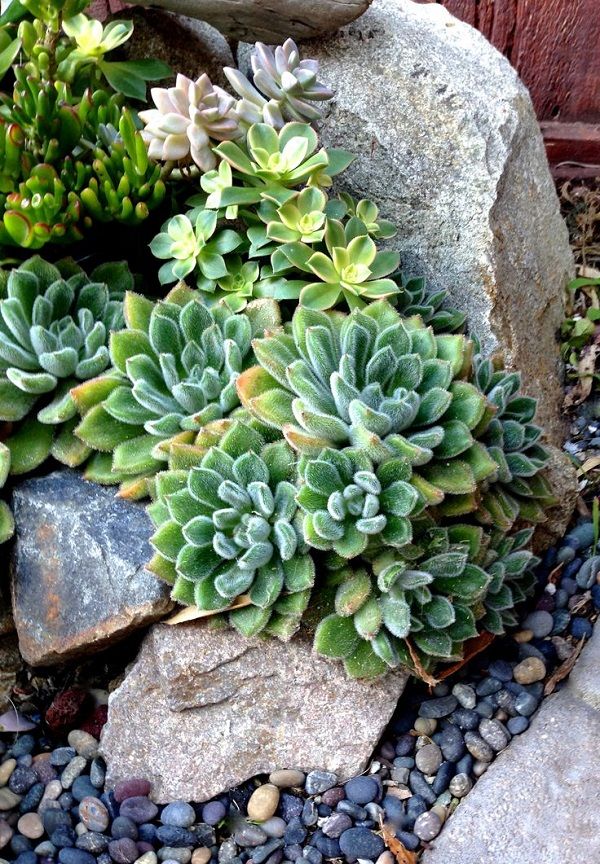
86 Best Gravel And Succulents Images On Pinterest Succulents Aloe

Pin On Succulents Catus

200 Best Images About Colorful Succulents Cactus On Pinterest

Pin On Gardening

The Before Images Containers 2014 Garden Foreplay Succulent Garden

1000 Images About Water Gardens On Pinterest Gardens Backyard Ponds

Pin On Plant Combinations

Tropical Succulents For Colour INKspiration Tropical Succulents Color

Succulent Succulent Planting Succulents Flowering Succulents

Euphorbia Grandicorn Zig Zag Cow Horn Cactus Succulent Plant 8 Pot 29
Post a Comment for "TROPICAL SUCCULENTS - Bringing a touch of paradise to your home"